David Guest | Structural Scale & Loop Operating Architecture
Loop Operating Architect
I’ve spent my life studying how businesses hold together — and how they come apart.
That started early.
From the age of five, I watched my parents build — and strain under — their business in the rag trade. I saw what ambition creates. I also saw what poor structure costs.
One question stayed with me:
Why do some founders build freedom, while others build pressure?
Systems First
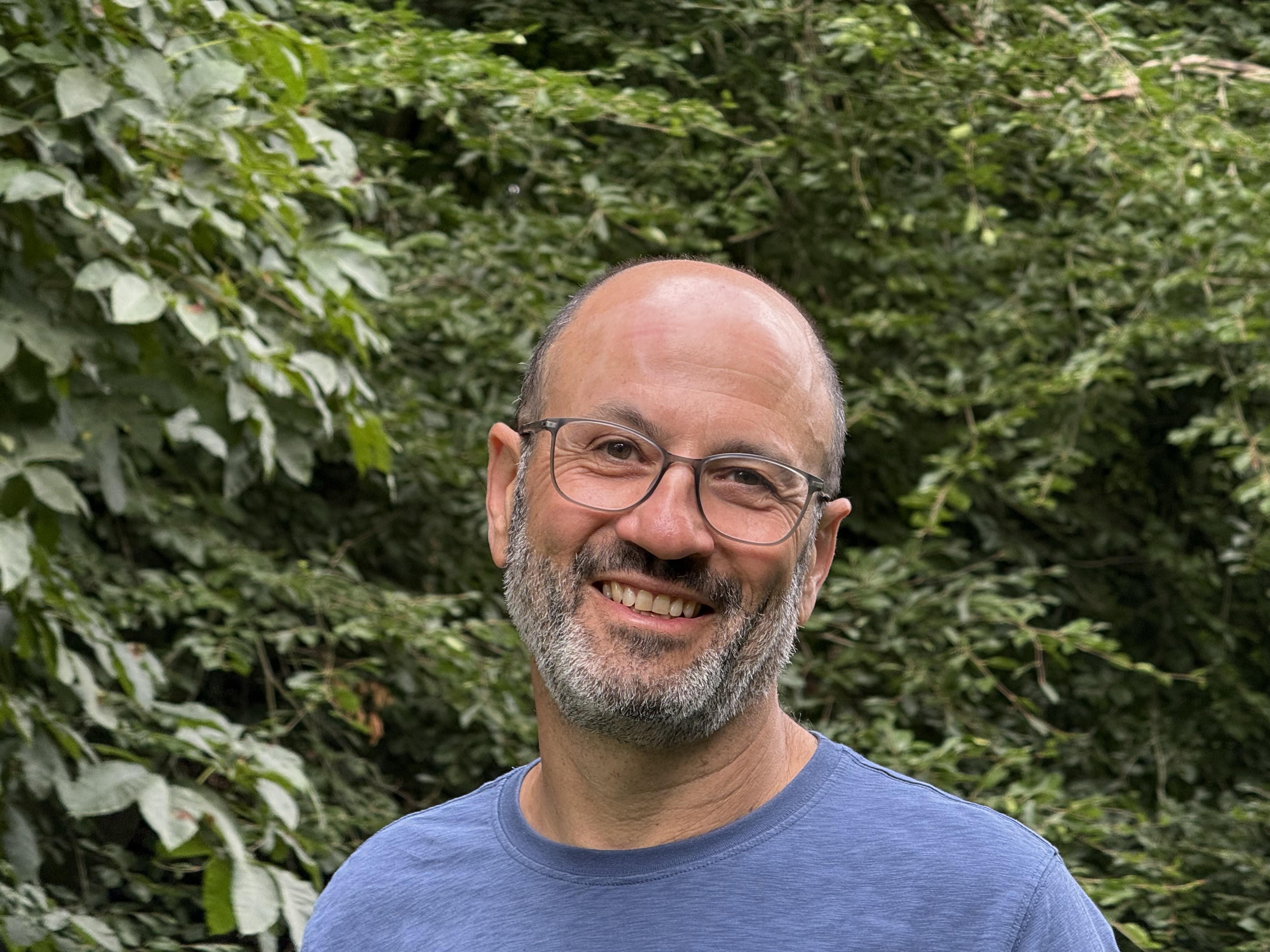
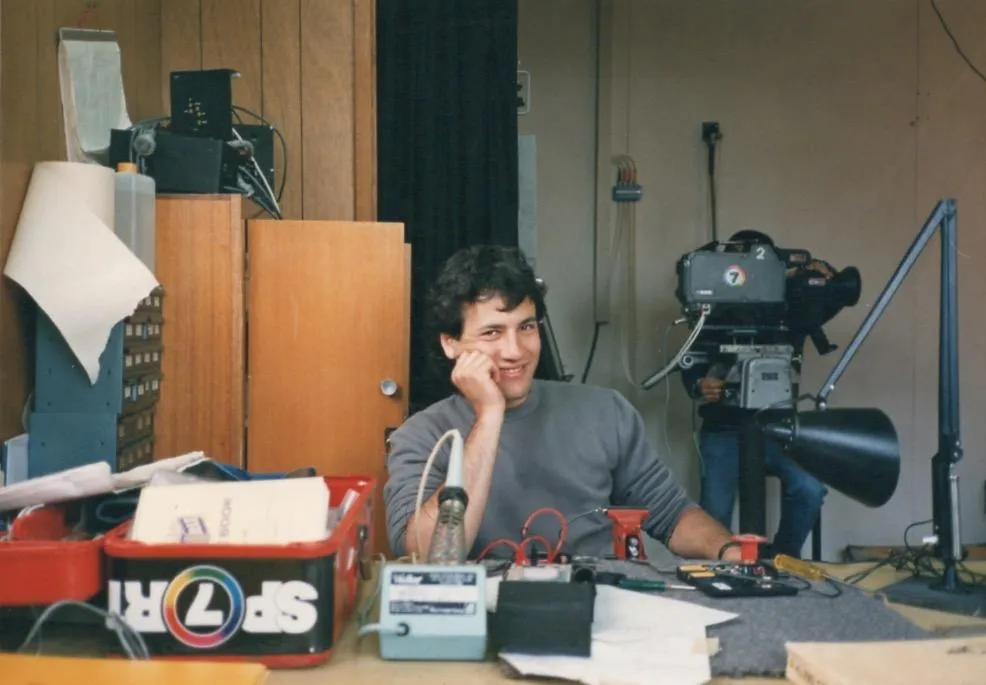
My early career was technical — seven years in television and IT as a technician. Systems had to function. Signal either flowed or it didn’t. Design flaws revealed themselves quickly.
Then came ten years in IT and telecommunications sales through the dot-com rise and collapse, and the introduction of VoIP that reshaped the industry.
I saw hype inflate markets.
I saw poor architecture collapse companies.
I saw technology transform entire sectors almost overnight.
One lesson remained constant:
Technology moves fast.
Weak structure breaks faster.
Technology fails at weak connection points.
Businesses do too.
25 Years Inside Founder-Led Businesses
In 2001, I founded Outcomes Business Group.
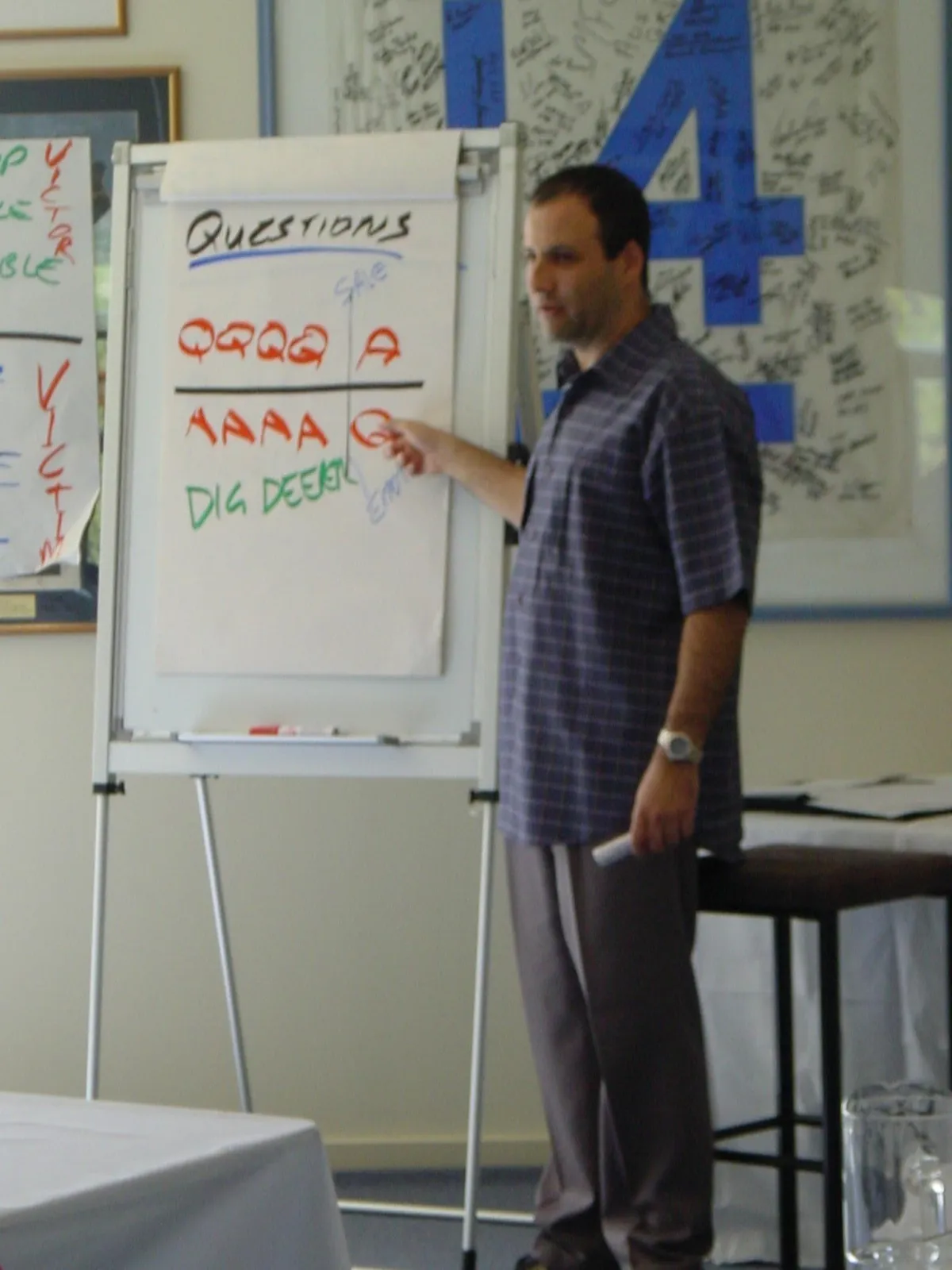
Since then, I’ve personally diagnosed over 5,000 businesses and spent more than 12,500 hours working one-on-one with founders inside real operating environments.
Patterns repeat.
Most founders start for the right reasons — independence, impact, autonomy.
Very few are taught how to design a business that scales beyond them.
So they grow revenue.
They hire people.
They work harder.
Yet decisions resurface.
Escalation flows upward.
The founder becomes the centre of gravity.
Only a small percentage of businesses move beyond $1M.
Fewer still pass $5M.
Not because ambition is lacking.
Because the business was never designed to scale.
You don’t scale through hustle.
You scale through architecture.
What I’ve Learned
Certain principles hardened through observation:
You get paid exactly what you’re worth. The market reflects structure, not intention.
Speed is the new currency of business. Clean execution compounds.
Throughput is defined by the weakest constraint. Strengthening strong areas does not increase capacity.
Escalation is structural, not personal. If decisions don’t stay made, the loop is open.
Delegation without authority is theatre. Ownership must be explicit to hold.
Inspect what you expect. Feedback must return to authority.
Autonomy is installed, not declared. Control must be designed to hold.
Easier conditions don’t fix weak structure. Stronger structure does.
Edward Deming observed that 94% of business problems are systems problems, not people problems.
After decades in the field, I agree.
Most friction blamed on people is design failure.
Architecture, Not Advice
Over time, the work evolved.
What began as coaching became design.
I stopped asking how to motivate better performance.
I started asking how to remove structural drag.
Where is ownership unclear?
Where do decisions fail to stay made?
Which loop is open, broken, or dragging?
Mechanical systems demand integrity.
Human systems are no different.
When architecture improves:
Escalation reduces
Autonomy increases
Speed stabilises
Founders regain control
Today I describe myself as a Loop Operating Architect — because that’s how I think.
The Intelligence Era
We are entering another inflection point.
Technology, humans, and systems are converging again — this time through AI, automation, and operational intelligence.
I’ve lived through one industry transformation before.
The lesson was clear:
Technology amplifies whatever architecture already exists.
Strong systems accelerate.
Weak systems fracture.
For progressive operators, this era presents unprecedented opportunity to serve more people, create more value, and build stronger businesses than ever before.
But only if the structure is sound.
A Personal Note
Business is an extension of self.
It reflects your standards.
Your clarity.
Your tolerance for ambiguity.
Your willingness to define what “done” actually means.
When a business feels hard or reactive, it usually isn’t random. It’s structural.
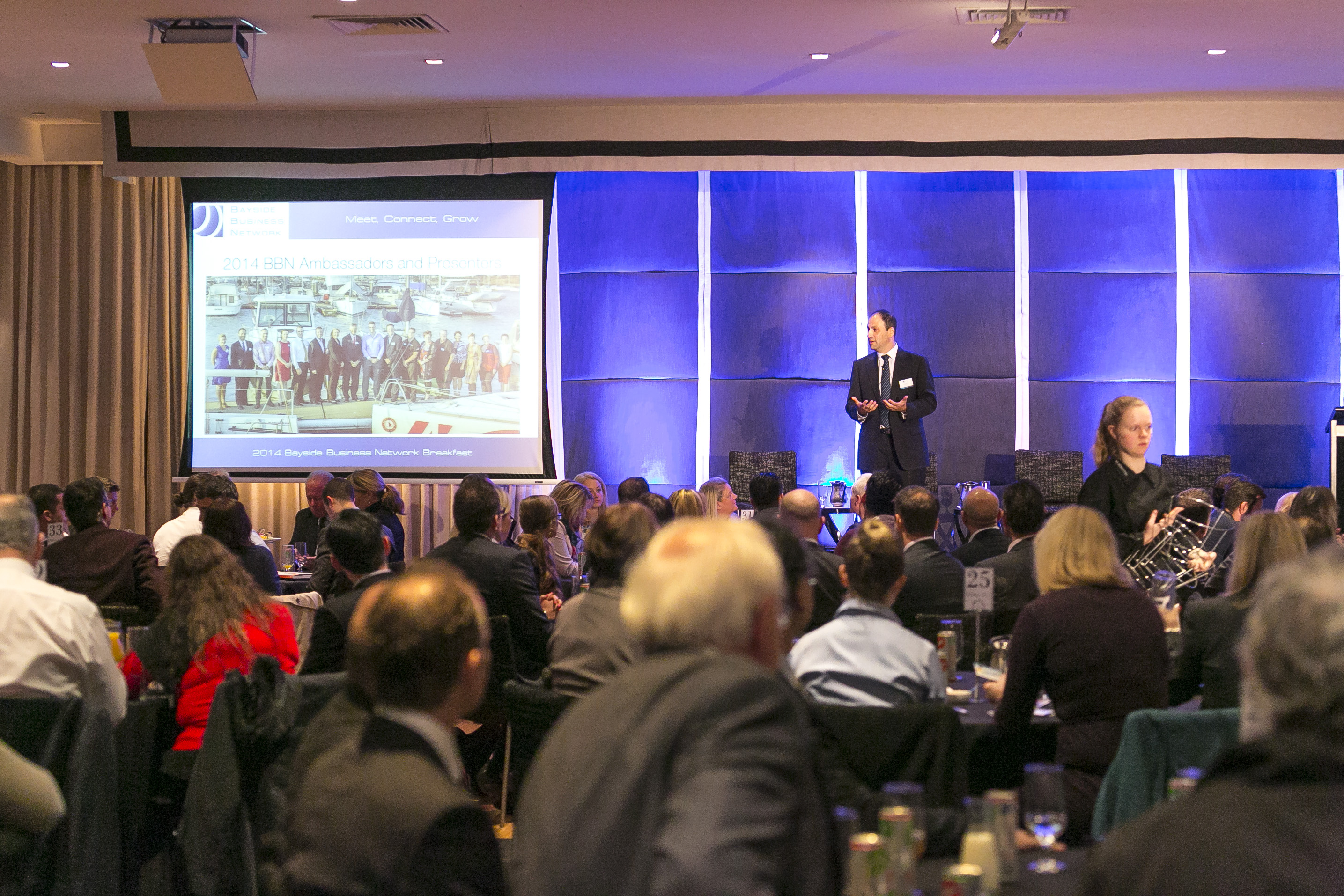
I help founders build businesses that don’t rely on heroics — businesses that are clear, durable, and capable of growing without constant escalation.
Strong architecture creates space.
Space to think.
Space to lead.
Space to grow beyond the business itself.

To identify the structural constraint in your business:
For speaking, media, or partnership enquiries: [email protected]